
How Surgical Teams Handle the Eligibility
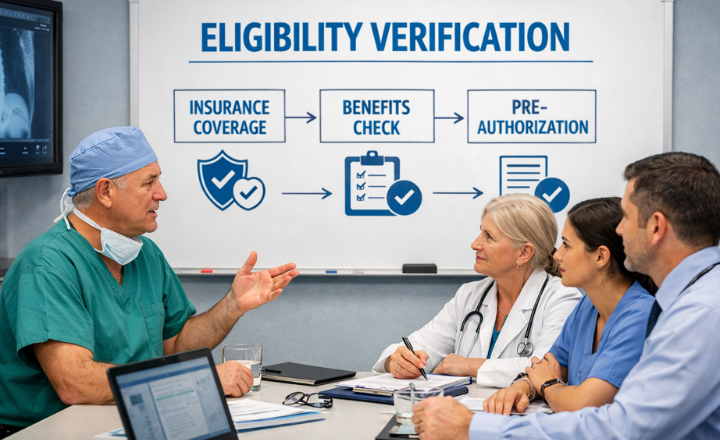
Surgical teams follow a structured approach to confirm insurance coverage, review benefits, and meet payer requirements before procedures. Understanding the Eligibility Verification Process in Medical Billing helps reduce scheduling issues, prevent billing delays, and support clean surgical claims.
Patient Insurance Verification: What Happens When You Skip It?

Skipping patient insurance verification can lead to denied claims, delayed payments, and increased follow-up work weeks after a visit. This blog explains how missed verification affects billing, scheduling, and front desk workflows, and outlines the common challenges healthcare practices face when insurance details are not confirmed in advance.
How Insurance Verification Improves Patient Intake

Insurance verification helps improve patient intake efficiency for multi-location clinics by reducing intake delays and shortening check-in time. This blog explains how early verification, standardized processes, and automation support consistent patient flow across multiple clinic locations.
How Insurance Eligibility Verification Services

Same-day claim rejections often occur due to eligibility issues identified too late in the billing process. This blog explains how Insurance Eligibility Verification Services help prevent these rejections by validating insurance details before claims are created, reducing errors, rework, and delays in claim processing.
How To Verify Patient Insurance Eligibility Verification

Patient insurance eligibility verification involves reviewing coverage status, benefits, network participation, and payer requirements before services are provided. This blog explains key verification checks that support accurate scheduling decisions and billing preparation.
Insurance Eligibility Verification Checklist Every

Insurance Eligibility Verification plays a key role in confirming coverage before services are delivered. This checklist outlines the essential steps front desk teams should follow to review insurance details, plan rules, network status, and patient responsibility before check-in, helping reduce coverage issues and improve visit readiness.
Claims Submission in Medical Billing Explained

Claims submission in medical billing follows a defined path from patient intake to payment. Each step—eligibility checks, documentation, coding, claim submission, and payer review—guides how claims move through the billing cycle until payment is posted and patient balances are billed.
8 Important Rules for Paper Claim Submission

Paper claim submission in medical billing remains necessary for certain payers and claim types. CMS-1500 forms require strict rules for formatting, data entry, and handling. Small errors can result in claim returns or delays. This blog outlines key CMS-1500 rules that help reduce paper claim issues and improve processing.
Types of Claim Submission in Medical Billing You Must

Understanding claim submission types in medical billing helps determine how claims are reviewed and processed by insurance payers. This blog covers the key submission methods, purposes, and formats, and explains how selecting the right approach from the start can reduce delays and limit follow-up activity throughout the billing cycle.
Top 5 Accounts Receivable Management Services in Florida

Healthcare Practices succeed in managing claims, follow-ups, and denials through structured AR practices. Timely submissions and weekly aging reviews ensure smoother billing, faster reimbursements, and consistent revenue, showing what Florida healthcare practices get right with Accounts Receivable Management Services in Florida.