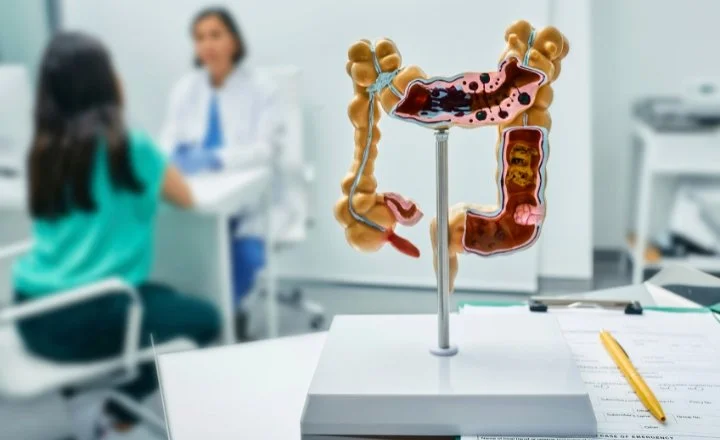
Managing reimbursements in gastroenterology has become more complex due to payer-specific regulations, modifier scrutiny, prior authorization requirements, and preventive screening compliance. Upgrading to the Top RCM for Gastroenterology helps GI practices improve claim accuracy, reduce denials, and accelerate reimbursements.
As GI procedure volumes grow, many practices face delayed payments and revenue leakage caused by outdated billing workflows. Specialized GI revenue cycle solutions improve reimbursement efficiency through automation and payer-specific coding intelligence.
This guide explores the key things gastroenterology practices gain when upgrading to the Top RCM for Gastroenterology.
1. Higher First-Pass Acceptance for Colonoscopy & Endoscopy Claims
Specialty-focused GI billing systems improve claim acceptance by validating CPT, ICD-10, and modifier combinations before submission. The Top RCM for Gastroenterology reduces front-end rejections through automated claim scrubbing integrated with an Integrated Gastroenterology EMR.
Practices Gain:
-
Faster clean claim submissions for colonoscopy and EGD procedures
-
Automated coding and eligibility verification
-
Reduced documentation and demographic errors
-
Lower claim resubmission volumes
-
Improved Medicare and commercial payer acceptance rates
GI practices using specialty RCM workflows report first-pass claim acceptance rates above 95%, compared to industry averages below 85%.
2. Reduced GI-Specific Denials from Modifier and Bundling Errors
Modifier-related denials remain one of the biggest challenges in gastroenterology billing. Incorrect use of modifiers 59, PT, and 33 often triggers bundling edits and reimbursement reductions.
Recent industry benchmarks show specialty GI billing workflows can reduce denial volumes by nearly 30% annually. Several leading GI Revenue Cycle Companies now use AI-assisted denial analytics to detect recurring payer edit patterns before claim submission, improving reimbursement consistency across outpatient GI procedures.
3. Faster Prior Authorization Processing for Advanced GI Procedures
Prior authorization delays continue to be a major operational challenge for gastroenterology practices handling advanced and high-cost GI procedures.
-
Automated Eligibility Verification for High-Cost GI Procedures
The Top RCM for Gastroenterology automatically verifies payer eligibility requirements before advanced procedures like ERCP, EUS, and biologic infusions are scheduled. This minimizes authorization-related claim holds and scheduling delays.
-
Real-Time Authorization Status Tracking
Practices that Automate GI Prior Authorizations gain access to live dashboards that track pending approvals, missing documentation, and payer response timelines, reducing manual follow-up workloads.
-
Reduced Procedure Rescheduling Due to Authorization Delays
Authorization automation systems reduce expired approvals and incomplete submissions. GI organizations implementing advanced RCM workflows report nearly 35% faster authorization turnaround times.
-
Faster Reimbursement for Specialty GI Services
Specialized authorization workflows reduce payer delays for high-value procedures, helping gastroenterology groups accelerate reimbursement cycles and stabilize procedural revenue.
4. Improved Payment Accuracy for Screening vs Diagnostic Colonoscopies
The reimbursement difference between Screening vs Diagnostic Colonoscopies directly affects payer processing, patient balances, and preventive care compliance. Coding inaccuracies often lead to denials, patient disputes, and audit risks.
The Top RCM for Gastroenterology applies payer-specific preventive screening logic to improve reimbursement accuracy and reduce compliance issues. GI practices using advanced RCM systems often report fewer patient billing complaints and improved preventive procedure reimbursements across Medicare and commercial payer contracts.
5. Advanced AR Tracking Across GI Clinics, ASCs, and Endoscopy Centers
Specialized GI RCM platforms improve financial visibility through centralized AR monitoring and reimbursement tracking.
Advanced AR Intelligence Includes:
-
Real-time payer aging analysis
-
ASC reimbursement monitoring
-
Procedure-level profitability tracking
-
Underpayment identification workflows
-
Denial trend forecasting
-
Provider-specific collection reporting
Tracking operational KPIs in Gastroenterology RCM helps practices reduce AR days, strengthen cash flow forecasting, and improve long-term revenue cycle performance.
6. Lower Revenue Leakage from Missed Charges, Underpayments & Coding Gaps
Revenue leakage in gastroenterology practices often occurs through missed pathology charges, underpaid anesthesia reimbursements, delayed charge entry, and inaccurate payer reconciliation. Even high-performing GI groups can lose 3%–7% of collectible revenue annually due to hidden billing inefficiencies.
The Top RCM for Gastroenterology uses automated payment variance analysis and reimbursement tracking systems to identify hidden financial gaps before revenue loss becomes permanent. If you are interested to read more about GI Billing, please have a look at this blog on ”Billing and Coding Guidelines for Gastrointestinal Pathogen Panel Testing’’.
Measurable Gains with the Top RCM for Gastroenterology
Why Upgrading to the Top RCM for Gastroenterology Matters
The growing complexity of gastroenterology billing is leading GI practices to adopt more specialized and scalable revenue cycle strategies. The following are some of the major factors driving this shift.
-
Increasing Complexity in GI Payer Regulations
Modern gastroenterology billing involves payer-specific preventive screening rules, modifier edits, and documentation requirements that generic billing systems often fail to manage effectively.
-
Growing Financial Pressure on GI Practices
Declining reimbursements and rising denial volumes continue to impact operational margins across GI clinics and ASCs. Specialized RCM infrastructure helps stabilize long-term financial performance.
-
Demand for Data-Driven Revenue Cycle Visibility
The Top RCM for Gastroenterology provides advanced analytics dashboards that help leadership teams monitor reimbursement trends, denial patterns, and payer performance in real time.
-
Scalable Infrastructure for Multi-Location GI Groups
As gastroenterology organizations expand into multiple clinics and ambulatory surgery centers, specialty-focused RCM systems provide centralized billing operations, stronger compliance oversight, and improved revenue transparency across all locations.
Conclusion:
Revenue loss in gastroenterology practices often begins with billing inefficiencies that impact reimbursements, cash flow, and financial performance. Upgrading to the Top RCM for Gastroenterology helps practices improve coding accuracy, reduce denials, strengthen AR management, and optimize collections.
With specialized Gastroenterology Billing Services, GI practices can achieve faster reimbursements and better financial visibility across clinics, ASCs, and endoscopy centers.
Take control of your gastroenterology revenue cycle with a specialized GI-focused RCM partner. Contact us today to increase collections, reduce denials, and maximize the financial performance of your practice.
Upgrade to the Top RCM for Gastroenterology
Rising GI claim denials, coding inefficiencies, reimbursement delays, and fragmented billing workflows can impact revenue cycle performance across gastroenterology practices.
Fill out the form below to improve GI billing workflows, reduce revenue leakage, and strengthen reimbursement performance with a specialized gastroenterology RCM solution.