
CARDIOLOGY BILLING
Cardiology Billing Services
Maximize your cardiology practice’s potential — streamline your revenue cycle and enhance operational efficiency with our specialized billing services.
15%
Denial reduction (case study)
67%
Faster appeals (case study)
50 states
Practices supported nationwide

Cardiology Billing Services
Cardiology billing services require specialized expertise due to complex diagnostic procedures, evolving treatment technologies, and frequent updates to coding standards. Procedures such as angioplasty, stent placement, iliac artery repair, and ECG monitoring require precise coding to reflect the complexity of the service provided.
The Complexity of Cardiology Billing and Coding
Cardiology is one of the most technologically advanced areas of medicine, with continual updates in diagnostic and interventional coding. Incorrect coding can result in:
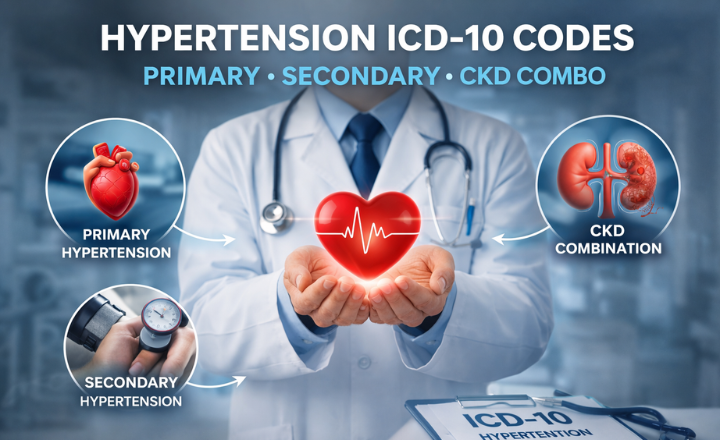
- Combination ICD-10 Codes: Cardiology diagnoses often require combination codes capturing multiple related conditions.
- Diagnostic vs. Interventional Coding: Diagnostic and interventional cardiac procedures require distinct code sets and documentation.
- Prior Authorization for Cardiac Procedures: Many interventional and diagnostic procedures require authorization before scheduling.
- Device/Implant Charge Capture: Implantable devices must be accurately captured to ensure correct reimbursement.
Structured Revenue Cycle Processes for Cardiology
Cardiology billing requires structured workflows to manage complex procedures, payer requirements, and evolving coding standards. MBW RCM applies revenue cycle processes that emphasize accurate charge capture, timely claim submission, consistent accounts receivable follow-up, and denial monitoring and correction.
✓
Accurate clinical documentation: EHR-supported documentation for procedures that frequently evolve and require precise reporting.
✓
Combination code accuracy: Correct application of ICD-10 combination codes for cardiovascular conditions.
✓
Diagnosis-based coding: Documentation of confirmed diagnoses rather than symptoms alone.
✓
Authorization and coverage verification: Verifying prior authorization for cardiac procedures to reduce denials.
✓
Device and implant billing: Accurate capture of device and implant-related charges.
MBW RCM supports the full range of cardiology billing needs — peripheral vascular studies, diagnostic cardiology procedures, cardiac and peripheral vascular interventions, pediatric cardiology, and nuclear cardiology — while helping practices avoid upcoding, undercoding, and the compliance risks that come with miscoded claims.
CODING REFERENCE
Common CPT Codes Used in Cardiology Billing
93000–93010
Electrocardiogram, routine, with interpretation
93306
Echocardiography, transthoracic, complete
93015–93018
Cardiovascular stress test
92928
Percutaneous coronary intervention with stent placement
93451–93459
Cardiac catheterization, right and/or left heart
93798
Cardiac rehabilitation with continuous ECG monitoring

Benefits of Our Cardiology Billing Services
Global Delivery Expertise: A blended delivery model that reduces billing overhead without compromising quality.
Certified and Trained Billers and Coders: AAPC-certified coders trained in cardiology-specific coding.
Experience with Payers: Established workflows for the payers cardiology practices bill most.
Medicare and Medicaid Knowledge: Up-to-date on government program requirements for cardiac billing.
Cost Reduction and Operational Efficiency: Streamlined workflows that lower administrative overhead.
Quick Credentialing for Cardiologists: Efficient provider enrollment and credentialing support.
PROVEN SCHEDULING OUTCOMES
Real Results for Cardiology Billing Services

Latest Cardiology Billing Services Insights





Frequently Asked Questions
GET STARTED
Transform Your Cardiology Billing
Take the first step towards optimized revenue and efficiency — our experts are waiting to partner with you.
Talk to an Advisor
Please note, if you are interested in careers, click here to visit our career page.
To learn more, visit our Privacy Policy.